


Bone Density Training for Women on the Main Line, PA – Kim’s Personal Training
Bone health becomes especially important for women during perimenopause, menopause, and beyond. As hormones shift, bone density can decline, which may increase the risk of osteopenia, osteoporosis, and injury over time. The good news is that movement can help. For women interested in bone density training for women on the Main Line, strength training, weight-bearing exercise, proper nutrition, and smart progression can all play a role in supporting stronger bones. Weighted vests and rucking have also become popular options, but they are not one-size-fits-all. The key is knowing what is safe, what is effective, and what makes sense for your body.
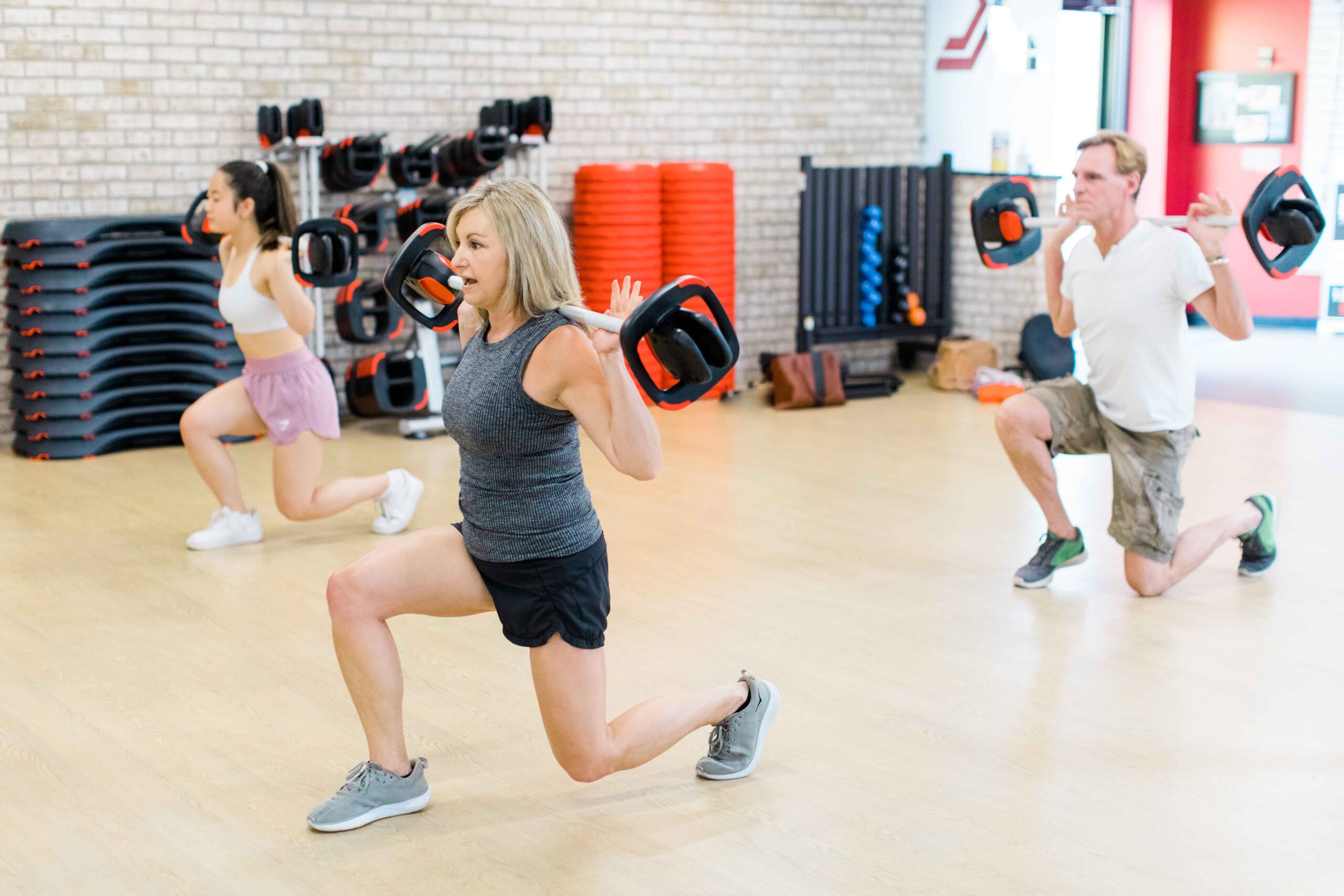
Why Bone Density Training for Women on the Main Line Is Important
Women are more likely to experience bone density loss as they age, especially after menopause. This can happen gradually, sometimes without obvious symptoms, which is why prevention and strength-building habits matter.
Strength training and weight-bearing exercise help place healthy stress on the bones and muscles. Over time, this can support bone strength, muscle strength, posture, balance, and confidence with movement.
For women on the Main Line, working with a trainer can be especially valuable if you are navigating osteopenia, posture concerns, joint pain, or uncertainty around how much weight is safe to use.
Weighted Vests, Rucking, and Bone Density Training for Women on the Main Line
Weighted vests and rucking both add load to walking, but they affect the body differently.
A weighted vest distributes weight around the torso. For some women, this may feel more balanced than carrying weight in a backpack. A ruck, which is a weighted backpack, places the load on the back and shoulders. This can be effective for some people, but it can also create posture challenges if the weight pulls the shoulders forward or increases rounding through the upper back.
When it comes to bone density training for women, more weight is not always better. A few pounds can still provide benefits, especially if you are new to weighted walking or currently working on strength, posture, and balance.
What to Know Before Trying a Weighted Vest or Ruck
Before adding weight to your walks, it is important to think about posture, load, and your current fitness level. You do not need to go heavy to make weighted walking worthwhile. In fact, going too heavy too soon can increase the risk of pain or injury.
A few things to consider:
- Start lighter than you think
- Keep your shoulders gently back and down
- Avoid rounding forward through your upper back
- Keep your chest open and your gaze forward
- Choose flat, predictable walking routes at first
- Stop if you feel pain, pressure, or strain
- Avoid adding load if your posture collapses under the weight
If you already have a kyphotic posture, meaning your upper back rounds forward, extra weight on the spine may not be the best place to start. In that case, posture work, strength training, and core stability may be a safer first step.
Strength Training, Nutrition, and Bone Support
Weighted walking can be helpful, but it should not replace strength training. A well-rounded bone health plan should include resistance training, posture work, balance exercises, and recovery.
A bone-supportive strength program may include:
- Squats or chair squats
- Step-ups
- Rows for upper back strength
- Hip and glute strengthening
- Core stability work
- Balance exercises
- Functional strength movements
Nutrition matters too. Protein, calcium, vitamin D, and overall nutrient intake all play important roles in supporting bone health. If you have been diagnosed with osteopenia or osteoporosis, it is also important to work with your healthcare provider and avoid exercises that may not be safe for your spine or joints.
Work With Kim for Safe Bone Density Training
If you are looking for bone density training for women on the Main Line, Kim can help you figure out what makes sense for your body. That may include strength training, posture work, balance training, light weighted walking, or a combination of approaches.
If a weighted vest or rucking is not a good fit, that is okay. Strength training alone can still be incredibly valuable for bone health, mobility, and confidence.
Ready to Build Strength and Support Your Bones?
If you are concerned about bone density, posture, osteopenia, or staying strong as you age, Kim’s Personal Training can help you create a safe and personalized plan. Reach out to Kim to get started with training on the Main Line.


+ show Comments
- Hide Comments
add a comment